
Partner Workshop | Tue 21 July 2026
What is new, what is coming, and what we are talking about.
2:00 PM UK time
Join on Google Meet →Other time zones
- United Kingdom
- Central Europe
- US Eastern
- US Central
- US Pacific
- Gulf (Dubai)
- India
- Australia (Sydney)
Times use your device’s time zone and adjust for daylight saving automatically.
Recent highlights
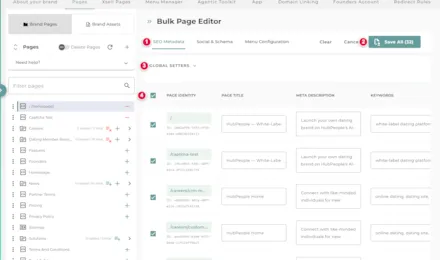
Bulk Page Editor
Change settings across many pages at once.
Open guideFrench & German support
Now added, via Hubbi for brands.
Open guide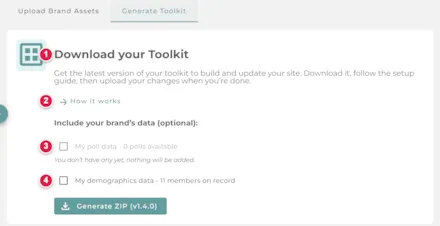
Toolkit download
From your feedbackA clearer download screen, with your data options shown up front.
Open guideBrand Builder
A helper that writes your brand-creation prompt for Hubbi.
Open guide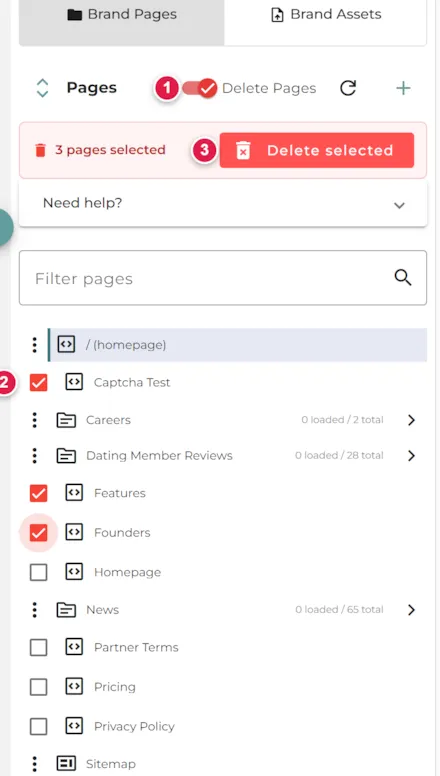
Multi-delete mode
You can delete multiple pages across your brand more quickly.
Open guideFounder article template
From your feedbackNew Founder Hub docs, including a ready-made template for the articles you publish to your community.
Open guideBring anything, questions, ideas, or things you would like to see.
AMP in 2026: helping or hurting?
AMP promised faster mobile pages, but Google has dropped the special treatment that justified them. Are ours still earning their keep, or quietly costing us?
- Does Google still use them? Google no longer gives AMP pages any special placement or ranking boost, so the payoff today is unclear.
- Crawl budget: every AMP page is a second URL for Google to fetch, so the same content costs twice the crawl.
- URL bloat: a parallel set of amp URLs to canonicalise, track in analytics, and debug.
- Technical debt: AMP pages are fragile. They drift out of step when templates change and need their own validation and upkeep.
- If they are not adding anything: what would a clean retirement look like (redirects, canonicals, checking nothing still links to the amp URLs)?
Running separate regional sites: getting the right site to the right country
When one brand runs separate regional sites, Google has to understand they are related versions of the same thing. If it does not, it can suppress them as duplicates, or serve the wrong country's site to a visitor.
- The strategy: cross-link every regional version with hreflang annotations so Google treats them as one family and serves the right version per country and language. Google's guide: Localized versions of your pages.
- Managing it in the portal: where should these tags live for a brand with regional variants, and how do we keep them correct as pages are added?
- Managing it across CMSs: when the regional sites do not all live on the same platform, who owns the hreflang set so every side stays in sync?
<link rel="alternate" hreflang="en-gb" href="https://en-gb.example.com/page.html" />
<link rel="alternate" hreflang="en-us" href="https://en-us.example.com/page.html" />
<link rel="alternate" hreflang="de" href="https://de.example.com/page.html" />
<link rel="alternate" hreflang="x-default" href="https://www.example.com/" />
Each page carries the full set, including itself, and the links must be reciprocal: if the UK page lists the US page, the US page must list the UK page back. x-default is the fallback for visitors who match none of the versions. (Example from Google's guide.)