
Partner Workshop | Tue 28 July 2026
What is new, what is coming, and what we are talking about.
2:00 PM UK time
Join on Google Meet →Other time zones
- United Kingdom
- Central Europe
- US Eastern
- US Central
- US Pacific
- Gulf (Dubai)
- India
- Australia (Sydney)
Times use your device’s time zone and adjust for daylight saving automatically.
Recent highlights
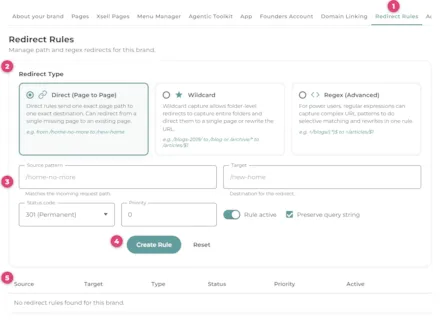
Redirect Rules
Send old addresses to the right page: Direct, Wildcard and Regex rules, with built-in warnings.
Open guide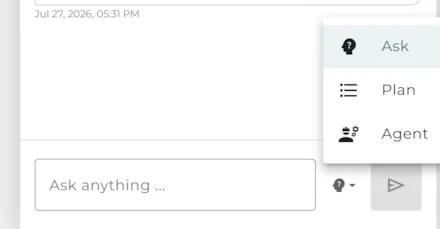
A clearer Hubbi chat
A reworked conversation, expandable Reasoning panels, and clearer mode suggestions.
Open guide
Sitemaps look after themselves
Create your sitemap once; it refreshes itself after every page change.
Open guide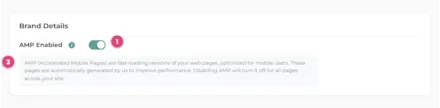
AMP pages
How the fast mobile versions of your pages work, and how to switch them off per page or brand-wide.
Open guide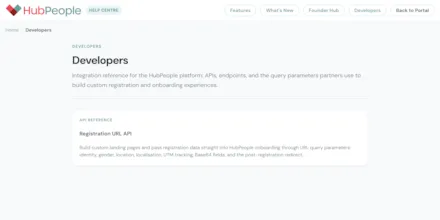
The Developers hub
A new area of the help site with API reference docs, starting with the Registration URL API.
Open guideBring anything, questions, ideas, or things you would like to see.
Continuing the languages discussion: per-page languages and translated signup
Last week we talked about languages and regional sites. Since then the Developers hub has landed with the Registration URL API, which already lets a signup link carry a culture parameter so the whole signup flow renders in that language. And work is now under way in the portal to build on it.
- Already available: add a culture parameter to your signup links and the onboarding flow is translated. See the Registration URL API in the Developers hub.
- In progress on the portal: changing your brand's language (and niche) yourself, directly in the portal.
- Per-page languages: pages will follow the brand language by default, with the option to override per page, so one brand can serve local-language pages (and switch a page back to the default).
- Bulk editing: the page language will join the Bulk Page Editor and its CSVs, so a section of your site can be switched in one pass.
- Joined up: when a page's language differs from the brand's, its signup and login links will carry the matching culture automatically, so the visitor's journey stays in one language from page to signup.
- Who would find this useful? Would localised pages fit your brand, and for which markets or audiences?
- What would the workflow be? How would you actually work with it: a translated section of the site, a page at a time, who does the translating, and how do you keep versions in step?
- Canonicals in these situations: how should a translated page relate to the original for search engines: its own canonical as a page in its own right, hreflang links between the language versions (as we discussed last week), or something else?
- Anything else? Anything we have missed that would be a candidate for discussion here?
https://your-signup-link...&culture=esThe culture value uses the language code, for example culture=es for Spanish. This is roadmap work in progress: no dates yet, and details may change as it builds.